
How Should I Choose the Fuel Saver?
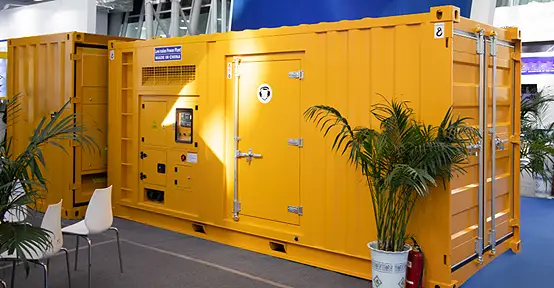
I. Defining Power Requirements: From “Sufficient” to “Efficient”
When choosing generator sets, accurately matching power requirements is crucial for ensuring stable and cost-effective operation. First, determine the total rated power of all electrical equipment and consider the simultaneous usage factor based on real operating conditions to establish the baseline load. It is advisable to reserve a power margin of 10% to 20%. This buffer helps handle transient inrush currents during equipment startup, such as motors, preventing generator overload. The approach to selecting power ratings also depends on the operating mode:
– For continuous operation, ensure the rated power of the chosen model is at least equal to the total calculated load.
– For standby power, the standby capacity should slightly exceed the load.
In scenarios with high starting loads involving multiple motor-driven devices, it’s important to verify that the generator’s peak power can meet the maximum instantaneous demand when all equipment starts simultaneously. This ensures smooth system startup and stable operation.
II. Consider Environmental and Installation Conditions
Environmental conditions and installation space are equally critical factors that cannot be overlooked during the selection process. If the generator set will operate in extreme environments such as high temperatures, high humidity, or severe cold, it is essential to strictly verify whether its operating temperature range meets requirements (typically -20°C to 45°C) and pay attention to its protection rating (e.g., IP54) to ensure reliable operation in harsh climates.
Additionally, in noise-sensitive areas like residential zones or hospitals, prioritize models with low-noise design—such as units with system noise controlled at ≤75dB@7m—to comply with environmental and community regulations. Finally, based on the actual spatial constraints of the installation site, comprehensively evaluate the generator set’s overall dimensions and transportation requirements. Select a model that can be smoothly transported on-site and reasonably positioned to avoid installation difficulties or wasted space due to size incompatibility.

III. Precise Selection Based on Application Scenarios
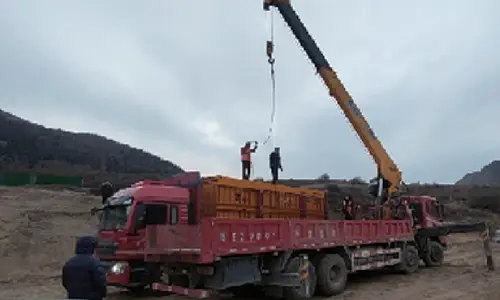
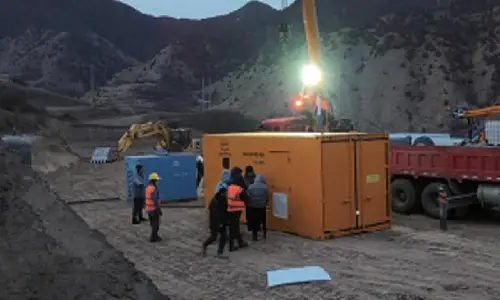
For different application scenarios, the focus of generator set selection must be adjusted accordingly to ensure the equipment’s performance aligns closely with operational requirements. For construction sites, models with moderate power output that are easy to move and deploy are recommended to flexibly adapt to fluctuating on-site power demands. In heavy industrial environments like mining or oil extraction, units with high power output and long-term high reliability are essential to handle the demanding power loads from continuous, high-intensity operations.
For emergency power applications, prioritize smart power station models featuring rapid startup, stable operation, and intelligent control capabilities to ensure swift restoration of the electricity supply during unexpected outages. In specialized environments like offshore platforms, besides confirming corrosion-resistant design and high-grade protection, rigorously verify that the unit’s output voltage and frequency match the platform’s existing electrical system to prevent operational failures caused by incompatible electrical parameters.
IV. Electrical System Compatibility
To ensure safe and compatible operation of the generator set, its electrical parameters must be meticulously verified for system compatibility during the selection phase. Confirm that the selected model’s rated output voltage is 400 volts AC, frequency is 50 Hz, and wiring configuration is 3-phase 4-wire. Verify that these parameters fully comply with local grid standards or on-site electrical equipment requirements to prevent grid disconnection or equipment damage due to electrical specification mismatches.
While high-power generator sets offer superior power output and load adaptability, they typically entail higher fuel consumption and more complex maintenance requirements, leading to significantly increased overall operating costs. Therefore, users are advised to comprehensively evaluate performance and cost based on actual usage frequency, operating cycles, and long-term budgets. Select the model offering the best overall cost-performance ratio over its lifecycle, rather than solely pursuing maximum power output, to achieve the optimal balance between economy and reliability.


